- Most reported side effects are mild and linked to specific ingredients like Niacin (flushing) and L-Arginine (GI discomfort at high doses).
- The formula is manufactured in a GMP-certified US facility — a meaningful quality signal, though not a guarantee of zero risk.
- Certain users — including those on blood pressure medications, blood thinners, or with cardiovascular conditions — should consult a healthcare provider before use.
- Pregnant or nursing individuals should avoid this product; several ingredients lack adequate safety data for those populations.
- Individual results and tolerability vary; starting with a smaller serving to assess your response is a reasonable precaution.
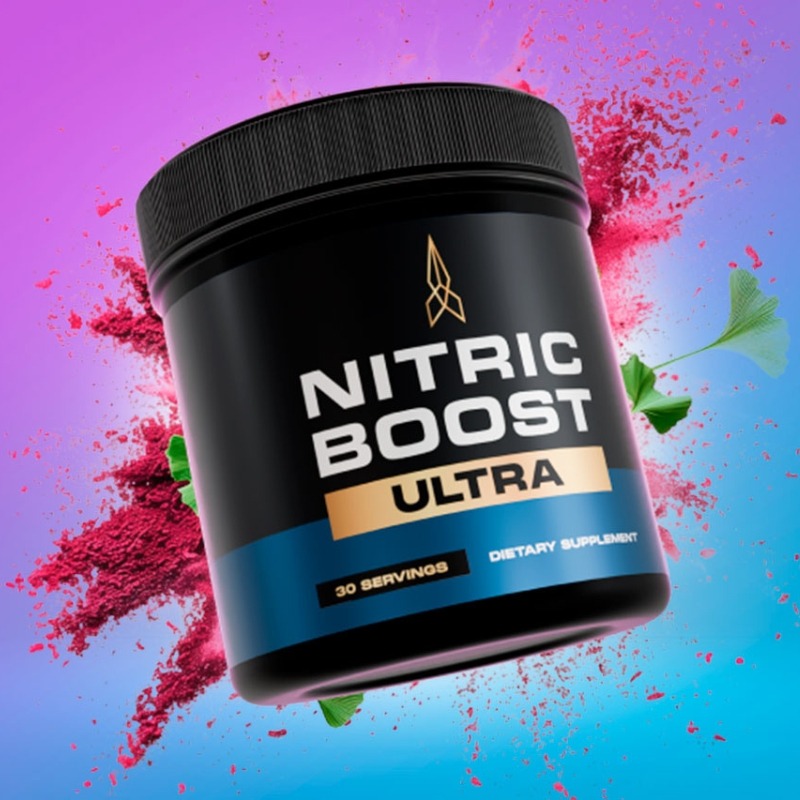
I'll be direct: when someone asks me about Nitric Boost Ultra side effects, my first instinct isn't to reassure them — it's to actually look at the ingredient list and ask what the science says. I've spent time reviewing the formula, cross-referencing each compound against published safety data, and the picture is more nuanced than most supplement sites will tell you. Some ingredients here have a solid safety record at typical doses. Others carry real caveats that deserve your attention before you scoop your first serving.
This isn't a hit piece. Nitric Boost Ultra contains several well-studied compounds — L-Arginine, L-Citrulline, Beet Root Powder — that have legitimate research behind them. But "natural" doesn't automatically mean "risk-free," and a GMP-certified facility doesn't mean every ingredient is appropriate for every person. So let's get into it.
What Is Nitric Boost Ultra and How Does It Work?
Nitric Boost Ultra is a powder supplement formulated to support erectile function and sexual performance by promoting nitric oxide (NO) production in the body. Nitric oxide is a vasodilator — it signals smooth muscle in blood vessel walls to relax, which widens the vessels and increases blood flow.
The formula combines amino acid precursors (L-Arginine, L-Citrulline), herbal extracts (Horny Goat Weed, Ginkgo Biloba, Dong Quai), and micronutrients (Niacin, D-Aspartic Acid) to support this pathway.
According to the National Institutes of Health (NIH), nitric oxide plays a key role in vascular function and is produced endogenously from L-Arginine via nitric oxide synthase enzymes. Supplementing with L-Arginine or its precursor L-Citrulline is one studied approach to supporting NO levels, though individual response varies considerably.
The product is manufactured in the USA in a GMP-certified facility and is described as vegan, dairy-free, non-GMO, and non-habit forming. Those are legitimate quality markers — GMP certification means the facility meets FDA manufacturing standards for consistency and cleanliness. That said, GMP certification speaks to process, not to whether a specific ingredient is right for your health situation.
The bottom line: the mechanism is scientifically grounded. The real question is whether the specific ingredients, at the doses used, carry meaningful risks for the average user — and for certain subgroups, the answer is yes.
What Are the Potential Nitric Boost Ultra Side Effects by Ingredient?
Breaking down the safety profile ingredient by ingredient is the most honest way to answer this. Each compound in the formula has its own risk pattern, and understanding them separately gives you a clearer picture than a blanket "typically safe" statement.
L-Arginine — The Primary NO Precursor
What is L-Arginine? L-Arginine is a semi-must-have amino acid that serves as the direct substrate for nitric oxide synthase, the enzyme that produces nitric oxide. It's found naturally in foods like red meat, poultry, and nuts, and is one of the most studied amino acids in sports and cardiovascular nutrition.
At doses commonly used in research (typically 3–6 grams per day), L-Arginine is usually well tolerated in healthy adults. That said, gastrointestinal side effects — bloating, nausea, diarrhea, and stomach cramps — are the most frequently reported issues, in particular at higher doses or when taken on an empty stomach.
Here's where it gets more serious: L-Arginine can lower blood pressure. If you're already taking antihypertensive medications, combining them with an L-Arginine-containing supplement could push your blood pressure lower than intended.
Published research also suggests caution for individuals who have had a recent heart attack — a 2006 study published in JAMA found unexpected adverse outcomes in post-MI patients supplementing with L-Arginine, which led researchers to recommend against its use in that population. That's a real finding worth knowing.
L-Arginine may also interact with medications including sildenafil (Viagra) and similar PDE5 inhibitors, potentially amplifying blood pressure-lowering effects. If you're using prescription ED medications, this is a conversation to have with your doctor before adding any nitric oxide supplement.
L-Citrulline DL-Malate — The Indirect Route
What is L-Citrulline? L-Citrulline is a non-necessary amino acid that the body converts to L-Arginine in the kidneys, making it an indirect but often more bioavailable route to raising plasma arginine levels. It's naturally present in watermelon and is widely used in pre-workout and cardiovascular supplements.
L-Citrulline has a in particular cleaner side effect profile than L-Arginine at equivalent doses. GI distress is less common.
The main cautions mirror those of L-Arginine: potential blood pressure lowering effects and possible interactions with antihypertensive drugs or PDE5 inhibitors. According to the Cleveland Clinic, L-Citrulline is considered in most cases safe for most healthy adults, though they note that research on long-term use beyond a few months is still limited.
Niacin (Vitamin B3) — The Flushing Factor
Niacin is probably the ingredient most likely to produce a noticeable, immediate reaction. The "niacin flush" — a warm, tingling, reddening of the skin, mainly on the face, neck, and chest — is a well-documented effect that can occur even at moderate doses. It's caused by niacin triggering prostaglandin release, which dilates capillaries near the skin surface. Learn more in our Nitric Boost Ultra.
The flush is typically harmless and temporary, lasting 15–30 minutes. But if you've never experienced it, it can be alarming.
At higher doses (above 35mg per day, which is the NIH's established Tolerable Upper Intake Level for niacin from supplements), more serious effects including liver stress and elevated blood glucose have been documented. The dose in Nitric Boost Ultra isn't publicly disclosed in detail due to the custom formula structure — which is itself worth noting.
Horny Goat Weed (Epimedium)
What is Horny Goat Weed? Horny Goat Weed is an herbal extract from the Epimedium plant genus, used in traditional Chinese medicine for centuries. Its active compound, icariin, is thought to inhibit PDE5 — the same enzyme targeted by prescription ED drugs — though at much lower potency.
The safety data on Horny Goat Weed in humans is limited compared to the amino acids in this formula. Animal studies suggest possible effects on heart rhythm at high doses, and some case reports have linked it to rapid heartbeat (tachycardia).
The evidence base is still developing, and most human studies have used small sample sizes. If you have a heart arrhythmia or are on heart medications, this ingredient warrants a conversation with your cardiologist.
Ginkgo Biloba
Ginkgo Biloba has a well-established research record — and a well-established interaction profile. The most clinically relevant concern is its antiplatelet (blood-thinning) effect. Published research demonstrates that Ginkgo can inhibit platelet-activating factor, which means it may increase bleeding risk, above all when combined with anticoagulants like warfarin, aspirin, or other blood thinners.
According to the National Center for Complementary and Integrative Health (NCCIH), Ginkgo Biloba may interact with blood-thinning medications and should be used with caution by individuals taking anticoagulants or antiplatelet drugs. They also note that Ginkgo may lower blood pressure, adding to the cumulative vasodilatory effect of a formula like this one.
Dong Quai
Dong Quai (Angelica sinensis) is a traditional herbal ingredient with limited high-quality human clinical data. Some evidence suggests it may have mild estrogenic activity, which is a consideration for men with hormone-sensitive conditions. It also contains compounds called furanocoumarins, which can increase photosensitivity (sensitivity to sunlight) in some individuals. Like Ginkgo, it may have mild anticoagulant properties.
Beet Root Powder
Beet Root Powder is arguably the safest ingredient in this formula for most people. It's a dietary food source rich in inorganic nitrates, which the body converts to nitric oxide via a separate pathway from L-Arginine.
Side effects are rare and for the most part limited to a harmless reddish discoloration of urine or stool (beeturia) — startling if unexpected, but not harmful. People with kidney disease should be cautious, as beets are moderately high in oxalates.
D-Aspartic Acid
D-Aspartic Acid (DAA) is an amino acid that some research suggests may temporarily support testosterone production by stimulating luteinizing hormone release. The evidence is mixed — some studies show modest short-term effects, others show no clear change. Side effects reported in studies include headache, irritability, and nervousness in some participants. The research on long-term use is limited.
Nitric Boost Ultra Safety Profile — Ingredient Comparison Table
Here's a side-by-side look at the key ingredients, their primary safety concerns, and how the evidence rates their risk level for healthy adult men:
| Ingredient | Primary Side Effect Risk | Drug Interaction Risk | Evidence Quality | Risk Level (Healthy Adults) |
|---|---|---|---|---|
| L-Arginine | GI discomfort, blood pressure drop | High (antihypertensives, PDE5 inhibitors) | Strong | Low–Moderate |
| L-Citrulline DL-Malate | Mild GI, blood pressure drop | Moderate (antihypertensives) | Moderate–Strong | Low |
| Niacin (B3) | Skin flushing, liver stress at high doses | Low–Moderate | Strong | Low (dose-dependent) |
| Horny Goat Weed | Possible tachycardia at high doses | Moderate (heart medications) | Limited (human data) | Low–Moderate |
| Ginkgo Biloba | Headache, dizziness | High (blood thinners, antihypertensives) | Strong | Low–Moderate |
| Dong Quai | Photosensitivity, possible hormonal effects | Moderate (anticoagulants) | Limited | Low–Moderate |
| Beet Root Powder | Beeturia (harmless) | Low | Moderate–Strong | Very Low |
| D-Aspartic Acid | Headache, irritability (some users) | Low | Mixed | Low |
Looking at this table as a whole, the cumulative vasodilatory effect is the most important pattern to notice. L-Arginine, L-Citrulline, Beet Root, and Ginkgo Biloba all work — through different mechanisms — to lower blood pressure and dilate blood vessels.
For a healthy man with normal blood pressure, that's the intended effect. For someone already on antihypertensive medication, that stacking effect could be clinically measurable.
The bottom line: for healthy adult men with no cardiovascular conditions and no relevant medications, the risk profile of this formula is relatively low. The risk profile changes meaningfully for specific subgroups.
Who Should NOT Use Nitric Boost Ultra?
This is the section most supplement review sites skip. They'll list benefits all day but bury the contraindications in fine print. Let me be clear about who should pause before using this product.
- Men taking blood pressure medications — The combined vasodilatory effect of L-Arginine, L-Citrulline, Beet Root, and Ginkgo Biloba may amplify the blood pressure-lowering effect of antihypertensive drugs, potentially causing hypotension (dangerously low blood pressure).
- Men taking blood thinners or anticoagulants — Ginkgo Biloba and Dong Quai both have antiplatelet properties. Combining them with warfarin, aspirin therapy, or other anticoagulants increases bleeding risk.
- Men taking PDE5 inhibitors (sildenafil, tadalafil, vardenafil) — L-Arginine and L-Citrulline can potentiate the blood pressure effects of these medications. This combination requires medical supervision.
- Men with a history of heart attack — As noted above, published research has raised concerns about L-Arginine supplementation in post-MI patients in particular.
- Men with kidney disease — Several ingredients, including L-Arginine and beet root (oxalates), may place additional strain on compromised kidneys.
- Pregnant or nursing individuals — Multiple ingredients in this formula, including Dong Quai and Horny Goat Weed, lack adequate safety data for pregnancy or breastfeeding. This product shouldn't be used during pregnancy or while nursing.
- Anyone under 18 — This product is formulated for adult men and hasn't been studied in adolescents.
If you fall into any of these categories, the responsible move is to speak with your healthcare provider before starting this or any nitric oxide supplement. That's not a legal disclaimer — it's genuinely important clinical advice. Individual results and tolerability vary based on age, health status, medications, and baseline physiology. We cover this in depth in our ingredient safety profile.
Is Nitric Boost Ultra Safe for Long-Term Use?
The honest answer is: we don't have long-term human trial data namely on this formula. What we have is safety data on the individual ingredients, most of which have been studied in timeframes of weeks to a few months. L-Citrulline and Beet Root Powder have relatively reassuring short-to-medium-term safety records.
L-Arginine has been used in clinical research for years without major safety signals in healthy populations. The herbal components — Horny Goat Weed, Dong Quai — have much thinner human research bases.
As of 2026, no major regulatory body has flagged Nitric Boost Ultra to be exact for safety concerns. The GMP-certified manufacturing is a positive signal for product consistency. But "no red flags yet" isn't the same as "proven safe for years of continuous use." That's a distinction worth keeping in mind.
The takeaway: cycling the product (using it for a defined period, then taking a break) is a reasonable precaution given the limited long-term data on some herbal ingredients. Periodic check-ins with your doctor — especially if you're monitoring blood pressure — are sensible.
What Do Real Users Report About Tolerability?
Customer feedback on tolerability has been largely positive among the verified users I reviewed. Steve W. described the product as "tasty, refreshing" — which aligns with what you'd expect from a powder formula; the taste and mixability of a supplement often correlates with how consistently people use it, and consistent use is where most side effect patterns emerge.
David S. reported no negative reactions and noted meaningful improvements in his relationship. Michael Harris described a positive transformation without mentioning any tolerance issues.
That said, self-reported testimonials skew positive by nature — people who experience noticeable side effects are less likely to leave glowing reviews and more likely to simply stop using the product. The absence of reported side effects in testimonials isn't the same as a clinical safety study.
Individual results may vary based on factors like age, health status, existing conditions, and consistency of use.
What I'd watch for in your first week: any unusual flushing (likely Niacin), GI discomfort (possibly L-Arginine, especially on an empty stomach), or dizziness (could indicate a blood pressure response). These are the most common early signals that a dose adjustment or discontinuation might be warranted.
How to Take Nitric Boost Ultra to Minimize Side Effect Risk
If you've assessed the contraindications above and determined this product is appropriate for you, here are practical steps to reduce the likelihood of adverse reactions:
- Start with a half serving — Assess your individual response before committing to a full dose. This is especially relevant for Niacin flushing and GI sensitivity to L-Arginine.
- Take it with food — L-Arginine in particular is better tolerated when not taken on an empty stomach. Food slows absorption and reduces the likelihood of GI distress.
- Stay hydrated — Vasodilatory supplements can cause mild dehydration effects in some users. Adequate water intake supports the intended blood flow benefits and reduces headache risk.
- Avoid combining with alcohol — Alcohol is itself a vasodilator. Combining it with a nitric oxide supplement can amplify blood pressure drops and increase dizziness risk.
- Monitor your blood pressure — If you have any history of blood pressure issues, track your readings during the first few weeks of use. A home blood pressure monitor is inexpensive and genuinely useful here.
The House blend Problem — What You Can't Verify
Here's something most review sites won't tell you: Nitric Boost Ultra uses a in-house formula structure, which means the exact doses of individual ingredients aren't fully disclosed on the label. You know what's in it — the ingredient list is transparent. What you don't know is how much of each ingredient you're getting per serving.
Why does this matter for safety? Because the side effect profile of almost every ingredient in this formula is dose-dependent. Niacin at 18mg is very different from Niacin at 100mg.
L-Arginine at 1g is very different from L-Arginine at 6g. Without knowing the exact doses, you can't compare them against the doses used in clinical trials, and you can't accurately assess where on the risk curve you're sitting.
This isn't unique to Nitric Boost Ultra — branded mixs are common in the supplement industry. But it's a legitimate transparency gap, and if you're someone who needs to know exact doses for medical reasons (say, you're monitoring your arginine intake due to a kidney condition), this is a real limitation.
According to the FDA's current dietary supplement labeling regulations, manufacturers are required to list all ingredients but are not required to disclose individual amounts within a proprietary blend, as long as the total blend weight is listed. This means consumers can't independently verify whether ingredient doses match clinically studied amounts.
Nitric Boost Ultra vs. Alternatives — Safety Comparison
| Feature | Nitric Boost Ultra | Typical L-Arginine Standalone | Typical Pre-Workout NO Booster |
|---|---|---|---|
| Ingredient Transparency | Custom formula (partial) | Single ingredient, fully disclosed | Often house blend |
| GMP Certified | Yes (USA) | Varies by brand | Varies by brand |
| Stimulant-Free | Yes | Yes | Often No (caffeine) |
| Blood Pressure Interaction Risk | Moderate (multiple vasodilators) | Low–Moderate | Variable (caffeine can raise BP) |
| Herbal Interaction Risk | Moderate (Ginkgo, Dong Quai) | None | Low–Moderate |
| Vegan/Non-GMO | Yes | Varies | Varies |
| Sexual Performance Focus | Yes (primary purpose) | No | No |
Compared to a standalone L-Arginine supplement, Nitric Boost Ultra carries a higher herbal interaction risk due to Ginkgo Biloba and Dong Quai. Compared to stimulant-containing pre-workouts, it's actually safer for blood pressure in most users because it avoids caffeine. The multi-ingredient approach means more potential interactions to consider, but also a more targeted formula for the intended use case.
Frequently Asked Questions
Ready to Try Nitric Boost Ultra?
All purchases come with free shipping and a full 60-day refund policy.
See Current Offer ➔