- Ginkgo Biloba is one of the most studied herbal extracts for circulation and how well your brain works, with research dating back decades.
- Some evidence suggests it may support blood flow by influencing nitric oxide pathways and reducing platelet aggregation — but results across studies are mixed.
- Its potential role in sexual function, above all in men dealing with circulation-related issues, is an area of active research interest as of 2026.
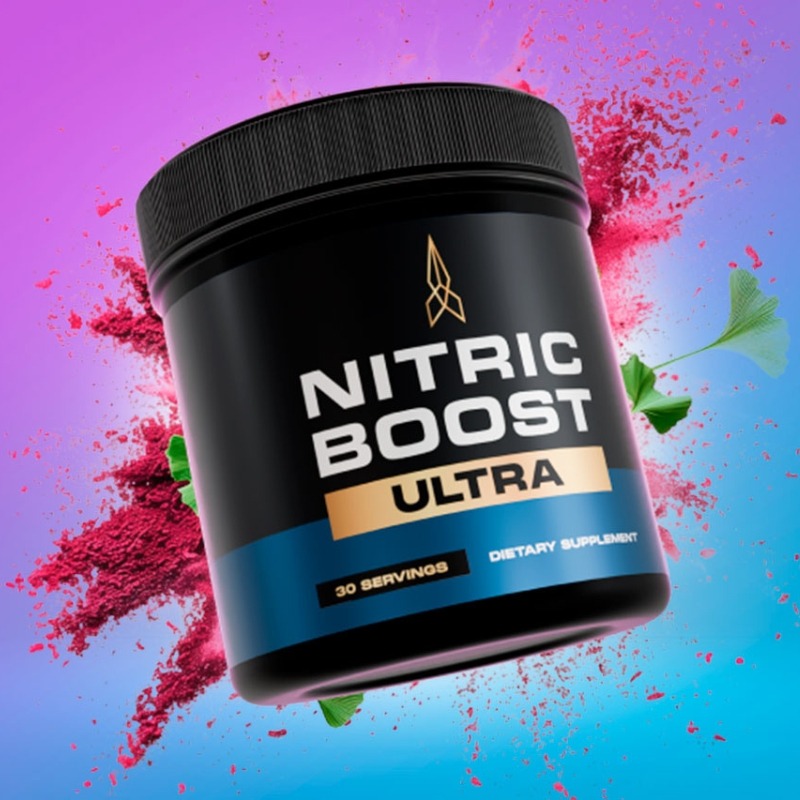
- Nitric Boost Ultra includes Ginkgo Biloba Powder as part of a multi-ingredient formula targeting nitric oxide production and erectile support.
- Dosage matters — a lot. Whether the amount in any given product matches clinically studied doses is a question worth asking.
I'll be upfront: I came into this investigation skeptical. Ginkgo Biloba has been marketed for everything from memory enhancement to anti-aging, and that kind of sprawling health halo usually signals more marketing than medicine. But after spending several weeks digging into the published literature on Ginkgo Biloba benefits — namely its effects on blood flow, circulation, and sexual function — I found the picture is more nuanced than either the enthusiasts or the dismissers suggest.
This page focuses on what Ginkgo Biloba actually does in the body, what the evidence supports, where the gaps are, and why Nitric Boost Ultra includes it in its formula. If you're researching this ingredient before deciding whether a product like Nitric Boost Ultra is worth your money, you're in the right place.
What Is Ginkgo Biloba?
Ginkgo Biloba is a tree extract derived from the leaves of Ginkgo biloba, one of the oldest living tree species on Earth. The standardized extract — typically labeled as EGb 761 in clinical research — contains two primary active compound classes: flavonoid glycosides and terpenoids (to be exact ginkgolides and bilobalide). These compounds are believed to be responsible for its circulatory and neuroprotective effects.
According to the National Institutes of Health (NIH) Office of Dietary Supplements, Ginkgo Biloba is among the top-selling herbal supplements in the United States, with its extract most commonly standardized to 24% flavonoid glycosides and 6% terpene lactones.
What is Ginkgo Biloba extract? Ginkgo Biloba extract is a concentrated preparation from the leaves of the Ginkgo biloba tree, standardized for its active flavonoid and terpenoid compounds, and used in supplements targeting circulation, thinking ability, and vascular health. It's not a stimulant. It doesn't spike your heart rate. Its mechanism is subtler — and that's actually what makes it interesting from a blood flow standpoint.
The form matters, too. Nitric Boost Ultra uses Ginkgo Biloba Powder, which is a less concentrated form than a standardized extract. That's a distinction worth keeping in mind as we look at the evidence.
How Does Ginkgo Biloba Support Blood Flow and Circulation?
Ginkgo Biloba may support blood flow through at least two distinct mechanisms: inhibiting platelet-activating factor (PAF), which reduces blood viscosity and clot formation, and influencing nitric oxide (NO) signaling in blood vessel walls. Research suggests these effects together may help blood vessels relax and allow more efficient circulation — though the magnitude of these effects in healthy adults is still debated.
According to a review published in Pharmacological Research, Ginkgo Biloba extract has demonstrated vasodilatory properties in preclinical models, with proposed mechanisms including nitric oxide pathway modulation and PAF inhibition. The clinical translation of these findings in humans remains an active area of study.
Ginkgo Biloba Circulation: The Nitric Oxide Connection
Here's where it gets relevant to a product like Nitric Boost Ultra. Nitric oxide (NO) is the molecule that tells blood vessel walls to relax — a process called vasodilation.
When NO production is low or impaired, blood vessels stay constricted, circulation suffers, and downstream effects can include reduced sexual function and energy. Ginkgo's proposed role in supporting NO signaling makes it a logical pairing with direct NO precursors like L-Arginine and L-Citrulline, both of which are also in Nitric Boost Ultra's formula.
Does that mean Ginkgo is doing the heavy lifting on circulation in this formula? Probably not. L-Arginine and L-Citrulline have a more direct and better-documented effect on NO production.
Ginkgo's contribution is more likely supportive — working on the vascular side rather than the biochemical synthesis side. Think of it less as the engine and more as the oil that keeps things running smoothly.
Ginkgo Biloba Blood Flow: What the Clinical Data Shows
The strongest clinical evidence for Ginkgo's circulatory effects comes from research on peripheral arterial disease (PAD) and intermittent claudication — conditions where poor blood flow causes leg pain during walking. Several peer-reviewed trials have found that standardized Ginkgo extract may modestly improve walking distance in PAD patients, suggesting a real, if modest, effect on peripheral circulation.
What stands out here is weight of current evidence leans toward Ginkgo having a meaningful effect on peripheral blood flow in people with existing circulatory impairment, but it's not definitive for healthy individuals. That's an honest read of the data — and it's a distinction most supplement marketing conveniently skips.
The bottom line: Ginkgo Biloba's circulatory effects are real enough to be clinically studied, but they appear most pronounced in people with existing vascular issues rather than as a dramatic enhancer in otherwise healthy men.
Does Ginkgo Biloba Actually Support Sexual Function?
This is the question most men researching Nitric Boost Ultra are really asking. The connection between Ginkgo Biloba and sexual function runs through its circulatory mechanisms — if it improves blood flow to peripheral tissues, the logic goes, it may also improve blood flow to erectile tissue. Some early research supports this idea, though the evidence base is still developing.
According to a study published in the Journal of Sex Education and Therapy (1998), Ginkgo Biloba extract showed promising results in a small open-label trial examining sexual dysfunction in patients taking antidepressants, with researchers noting improvements in sexual desire, erection, and orgasm. The authors acknowledged the study's limitations, including its open-label design and small sample size.
I want to be careful here. That study is old, small, and not a randomized controlled trial. More recent, better-designed research has produced mixed results. Some evidence indicates Ginkgo may help in specific populations — especially men whose sexual difficulties are tied to poor circulation or medication side effects — but it's not a proven standalone treatment for erectile dysfunction.
Ginkgo Biloba Sexual Function: The Mechanism Worth Understanding
What is the proposed mechanism for Ginkgo Biloba's effect on sexual function? Ginkgo Biloba may support sexual function by improving blood flow to erectile tissue through nitric oxide pathway support and platelet-activating factor inhibition, potentially strengthening vascular response during arousal. This is a circulation-dependent mechanism, not a hormonal one — Ginkgo doesn't appear to significantly affect testosterone levels.
That distinction matters if you're trying to understand what Nitric Boost Ultra is actually doing. The formula targets the vascular side of erectile function — blood flow, nitric oxide, vessel relaxation — not the hormonal side. Ginkgo fits that strategy. Whether it adds meaningfully on top of L-Arginine and L-Citrulline is a harder question to answer with current data.
The bottom line: Ginkgo Biloba's role in sexual function is plausible and supported by early research, but it's not the strongest ingredient in this category. Its value in Nitric Boost Ultra is likely as a supporting player in a circulation-focused formula.
Ginkgo Biloba in Nitric Boost Ultra: Ingredient Analysis
Nitric Boost Ultra contains Ginkgo Biloba Powder as one of eight active ingredients in its formula. The others — Beet Root Powder, Horny Goat Weed, Dong Quai, L-Arginine, L-Citrulline DL-Malate, D-Aspartic Acid, and Niacin (Vitamin B3) — each target overlapping aspects of nitric oxide production, blood flow, and sexual performance.
Here's how Ginkgo stacks up against the other circulatory ingredients in the blend.
| Ingredient | Primary Mechanism | Evidence Level for Blood Flow | Evidence Level for Sexual Function |
|---|---|---|---|
| L-Arginine | Direct NO precursor (converted to nitric oxide via NOS enzymes) | Strong — multiple RCTs | Moderate — some RCT support for ED |
| L-Citrulline DL-Malate | Converts to L-Arginine in kidneys, sustaining NO production | Strong — better bioavailability than L-Arginine alone | Moderate — emerging evidence |
| Beet Root Powder | Dietary nitrate → nitrite → nitric oxide pathway | Strong — well-documented in exercise research | Limited direct evidence |
| Ginkgo Biloba Powder | PAF inhibition, NO pathway support, vasodilation | Moderate — strongest in PAD populations | Early/mixed — small studies only |
| Horny Goat Weed (Epimedium) | Icariin — PDE5 inhibition (similar mechanism to prescription ED drugs) | Moderate — preclinical data strong | Moderate — traditional use + some clinical data |
| Niacin (Vitamin B3) | Vasodilation via prostaglandin release; supports lipid metabolism | Moderate — well-documented flushing/vasodilation effect | Some evidence for ED in men with dyslipidemia |
Looking at this table, Ginkgo Biloba sits in the middle of the pack — not the strongest ingredient for either blood flow or sexual function, but not a throwaway addition either. The formula's real circulatory horsepower comes from L-Arginine, L-Citrulline, and Beet Root Powder.
Ginkgo's role appears to be complementary: supporting vascular tone and potentially lifting the effects of the NO-boosting ingredients through its own distinct pathway.
One thing I'd flag: Nitric Boost Ultra doesn't disclose individual ingredient dosages publicly, listing them as part of a custom formula. That makes it impossible to verify whether the Ginkgo Biloba Powder dose matches the amounts used in clinical studies — typically 120mg to 240mg of standardized extract per day. That's a transparency gap worth noting.
What Are the Known Side Effects and Safety Considerations?
Ginkgo Biloba is usually considered safe at typical supplement doses, but it's not without risks. The most clinically relevant concern is its blood-thinning effect — because Ginkgo inhibits platelet-activating factor, it can increase bleeding risk, in particular when combined with anticoagulant medications like warfarin or aspirin.
Here's a numbered breakdown of the key safety considerations as of 2026:
- Bleeding risk: Ginkgo's PAF-inhibiting properties can potentiate anticoagulant and antiplatelet medications. If you're on blood thinners, this is a real concern — not a theoretical one.
- Seizure risk: Some case reports have associated high-dose Ginkgo with seizures, possibly due to ginkgotoxin content in poorly processed extracts. Quality of the source matters.
- Pregnancy and nursing: Ginkgo Biloba isn't recommended during pregnancy or breastfeeding due to insufficient safety data and theoretical bleeding risks.
- Drug interactions: Beyond anticoagulants, Ginkgo may interact with certain antidepressants (SSRIs, MAOIs), diabetes medications, and blood pressure drugs.
- GI effects: Some users report mild nausea, headache, or stomach upset, mainly when starting supplementation.
If you're taking any prescription medications — especially blood thinners, antidepressants, or cardiovascular drugs — speak with your healthcare provider before adding a Ginkgo-containing supplement like Nitric Boost Ultra to your routine. This isn't boilerplate caution; the drug interaction profile here is specific and documented.
Real User Experiences with Nitric Boost Ultra
I always look at user testimonials with a degree of skepticism — individual results vary based on age, health status, baseline circulation, and consistency of use. That said, the reported experiences from verified Nitric Boost Ultra users are worth examining, because they reflect what the formula's combined ingredient stack — including Ginkgo Biloba — is actually doing for real people.
Steve W. gave the product five stars and described it this way: "Nitric Boost is tasty, refreshing, and best of all it's highly effective. With every scoop, I feel an incredible surge of confidence. My wife has never been more satisfied, and our intimacy has reached new heights." The sensory detail here is notable — the powder format means you actually taste and experience the product, unlike a capsule you swallow and forget. That tactile engagement may itself contribute to consistency of use.
David S. reported something more specific: "Nitric Boost not only restored my libido and rock solid erections — it rekindled the spark in my marriage. We've never been happier, and our relationship is thriving like never before." The word "restored" is interesting. It suggests a baseline decline that the formula addressed — which aligns with the research profile of Ginkgo and the other circulatory ingredients being most effective in men with existing vascular or performance issues.
Michael Harris put it plainly: "I can hardly believe the incredible transformation since I started taking Nitric Boost. My erections are back, stronger than ever, and I've discovered a confidence in myself I never knew I had. My wife and I both want to sincerely thank you."
Three testimonials don't make a clinical trial. But the consistency of the reported outcomes — improved erections, restored confidence, better intimacy — does align with what a well-formulated nitric oxide support product targeting circulation could plausibly deliver. Individual results may vary based on factors like age, health status, and consistency of use.
How to Use Nitric Boost Ultra for Best Results
Getting the most from a multi-ingredient formula like Nitric Boost Ultra requires more than just taking it occasionally. Based on how the ingredients — including Ginkgo Biloba — work in the body, here's what the evidence suggests about optimal use:
- Consistency over time: Ginkgo Biloba's circulatory effects appear to build over weeks of regular use, not hours. Most clinical studies run 4-12 weeks. Don't judge results after three days.
- Timing relative to activity: L-Citrulline and L-Arginine have acute effects on NO production that peak roughly 60-90 minutes after ingestion. Taking the powder 60-90 minutes before sexual activity or exercise may optimize the acute blood flow response.
- Hydration: Nitric oxide production and vascular function are both sensitive to hydration status. Taking the powder with adequate water isn't just about mixing — it supports the underlying physiology.
- Avoid combining with blood thinners: Given Ginkgo's PAF-inhibiting properties, don't combine with anticoagulant medications without medical supervision.
- Pair with cardiovascular health habits: No supplement overrides poor sleep, chronic stress, or a diet that actively damages blood vessels. Ginkgo and the other ingredients in this formula work best as support for a body that's already being reasonably maintained.
Is Ginkgo Biloba Worth It as a Supplement Ingredient?
Ginkgo Biloba has a legitimate, if imperfect, evidence base for circulatory support. It's not a miracle ingredient, and anyone selling it as one is overselling the data. But it's also not snake oil — the mechanisms are real, the clinical research exists, and its inclusion in a formula targeting blood flow and sexual performance is scientifically defensible.
What I'd want to know — and what Nitric Boost Ultra doesn't publicly disclose — is the exact dose of Ginkgo Biloba Powder in each serving. The difference between 50mg and 240mg isn't trivial when you're trying to match clinically studied amounts.
That's the honest limitation of house blends: you're trusting the formulator's judgment without being able to verify it yourself.
As of 2026, the research on Ginkgo Biloba continues to evolve. The ingredient's strongest case is for men with circulation-related sexual difficulties, where its vascular mechanisms may complement the direct NO-boosting effects of L-Arginine and L-Citrulline. For men with no underlying circulatory issues, the incremental benefit is less clear.
In short: Ginkgo Biloba earns its place in a formula like Nitric Boost Ultra — but it's a supporting role, not the lead. The formula's strength comes from the combination, and that's probably the right way to think about it.
/a>
Frequently Asked Questions
Ready to Try Nitric Boost Ultra?
All purchases come with free shipping and a full 60-day refund policy.
See Current Offer ➔